





How does a brand go from onesies in a university dorm room…
to carbon fibre hockey sticks…
to one of the UK’s fastest-growing padel brands?
This is the story of Y1 - where we started, why we moved into padel, and why community still sits at the centre of everything we build.
We’ll answer five key questions:
- Where did Y1 originate?
- Why did Y1 move into padel?
- What did hockey teach Y1?
- How did Y1 enter padel?
- What makes Y1 different today?
1. Where Did Y1 Originate?
Y1 began in 2012 at the University of Exeter.
Originally called YoungOnes, the brand started as a streetwear idea from two student athletes who wanted to shake up the garment space. The first product?
A onesie.
That was the spark.
The idea behind Young Ones was simple: live boldly while you’re young. Build a brand that captured energy, ambition and youth culture.
When the onesie trend began to fade, we adapted. We moved into hoodies and apparel, developing a streetwear aesthetic that resonated with university students and sports clubs alike.
Then something interesting happened.
University teams began asking:
“Can you make our kit?”
Both founders were international hockey players. Sport wasn’t just a hobby - it was their world.
So we began producing custom teamwear. Demand grew quickly. And we realised something bigger:
The hockey industry - while full of heritage brands - felt static. Predictable. Safe.
There was room for a new voice.
So we entered hockey.
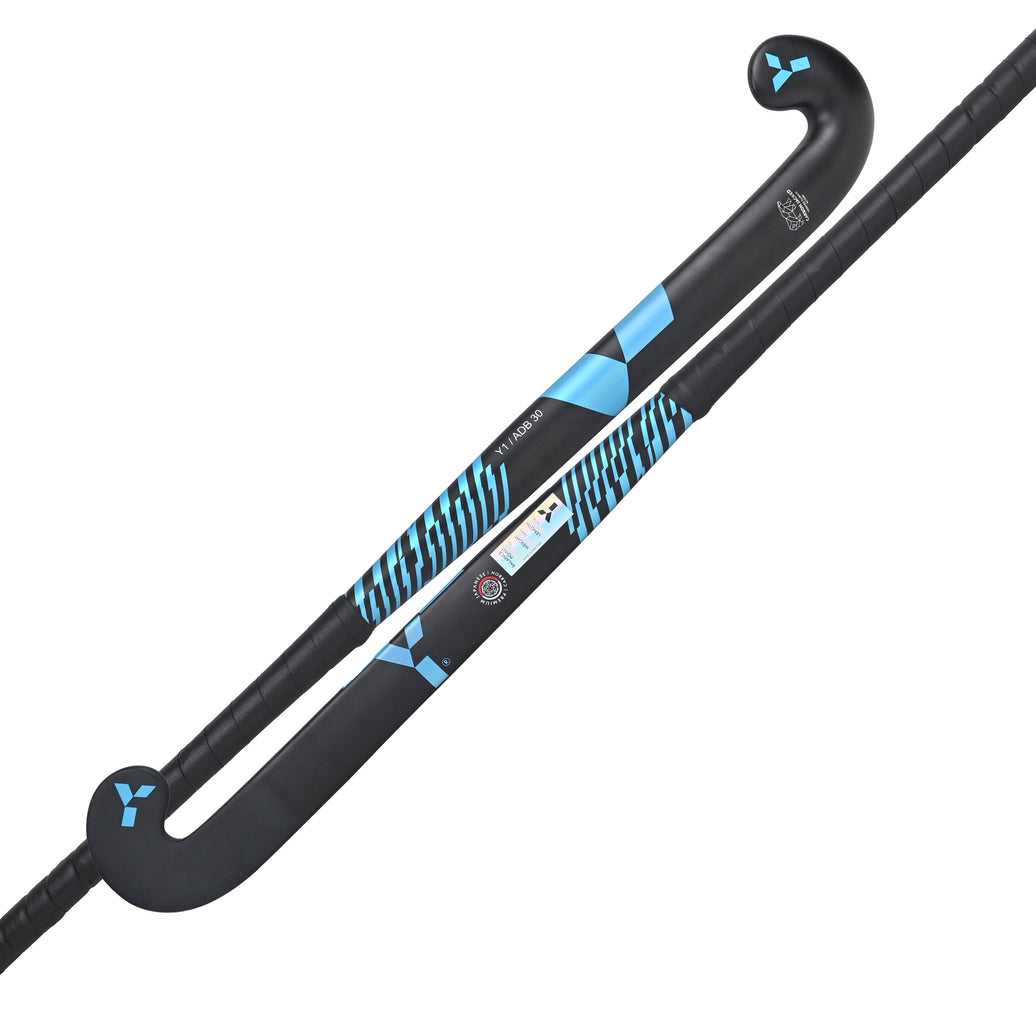
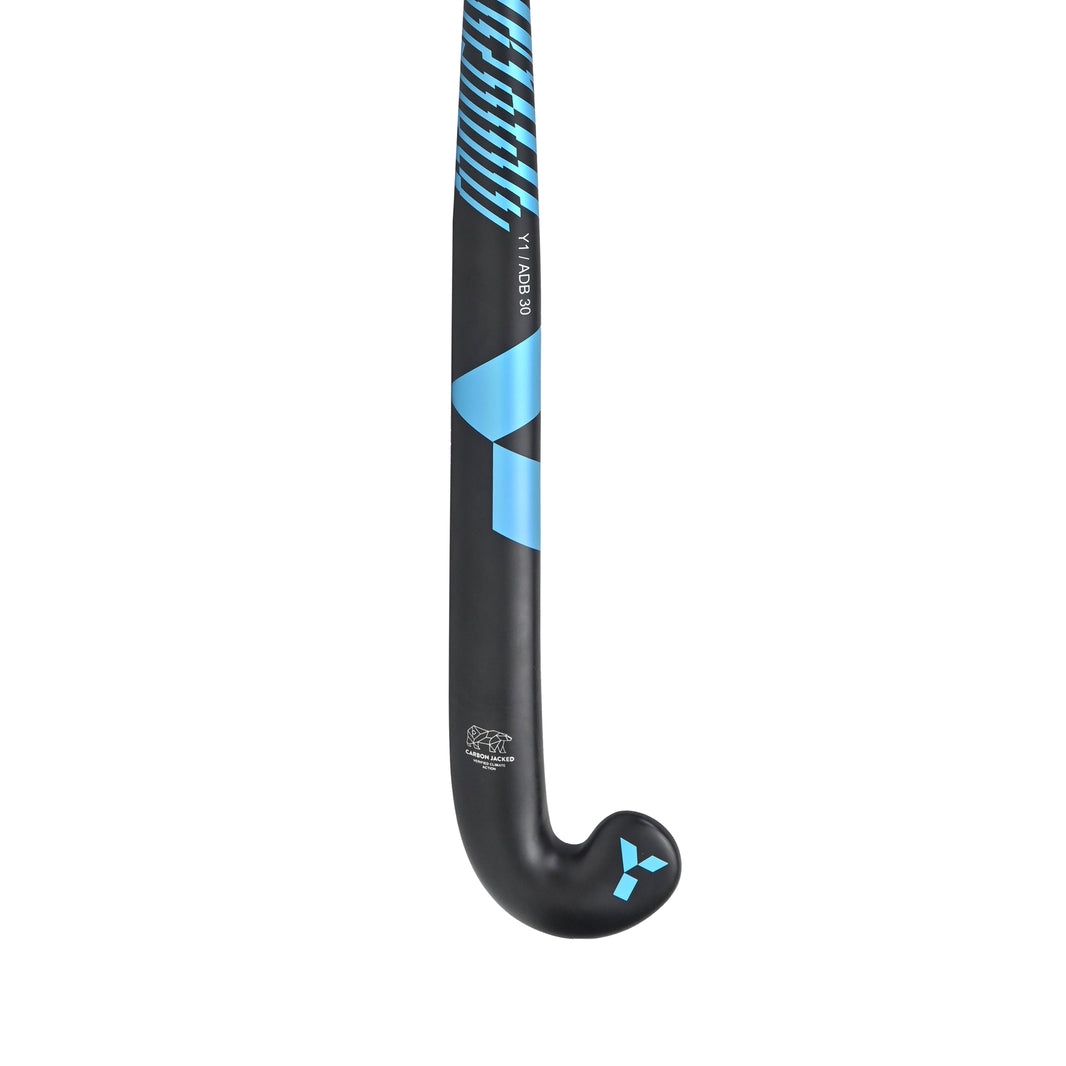
Over the next decade, Y1 evolved into a performance-led hockey brand, specialising in carbon fibre sticks and technical product innovation. What started as streetwear became serious sport.
And we’ve been building hockey products ever since.
2. Why Did Y1 Move Into Padel?
Short answer?
Because we love sport.
Long answer?
Everyone on our team has played sport at a high level. We love the competition, the intensity, the performance side of it.
But as we’ve grown, we’ve realised something deeper:
Sport isn’t just about winning.
It’s about community.
Sport creates belonging.
It creates identity.
It creates connection.
Communities are one of the most powerful parts of the human experience - and sport is one of the best ways to build them.
Padel brought that into focus immediately.
In 2018, one of our co-founders moved to Belgium to play hockey. His club had padel courts. He started playing.
He got hooked.
When we played our first proper UK game at Stratford Padel Club, it clicked.
The sport was:
- Incredibly fun
- Highly addictive
- Fast-paced but accessible
But more importantly?
The community was magnetic.
The sport brought us in.
The community made us stay.
And we realised something: with our background in carbon fibre manufacturing, product development and community-led design, we could build something meaningful in this space.
So we started.
3. What Did Hockey Teach Y1?
Hockey taught us one huge lesson:
Community is your moat.
Not marketing.
Not hype.
Not product drops.
Community.
Since entering hockey, nearly every major product innovation we’ve released has been shaped by athlete feedback.
Players asked for:
- Different stiffness profiles
- New head shapes
- Adjusted balance points
- Better feel on impact
And we built them.
Here’s how we see our role:
We are experts in carbon fibre product manufacturing.
We have access to world-class facilities capable of producing almost anything.
But we are not the ones playing every match.
The community is.
So our job is simple:
- Listen carefully.
- Translate feedback into design.
- Use our engineering expertise to build it properly.
We sit between the athlete and the factory.
That philosophy built our hockey business - and it now drives our padel journey.
4. How Did Y1 Enter Padel?
Slowly.
And honestly? Imperfectly.
We soft-launched Y1 Padel in 2018.
The early products weren’t where we wanted them to be. The performance wasn’t exceptional. The identity wasn’t fully formed.
If you own one of those early rackets - you were there at the beginning. And we appreciate that more than you know.
But instead of rushing, we learned.
From 2018 to 2024, padel remained a side project while we focused heavily on refining:
- Factories
- Construction methods
- Carbon layups
- Foam compositions
- Athlete testing processes
Then, at the start of 2024, we made a decision:
Padel deserved full attention.
We doubled down on product development.
We explored new manufacturing partners.
We built prototype programmes.
We tested relentlessly.
In 2025, we released our first full Y1 Padel range.
Not rushed.
Not reactive.
Refined.
5. What Makes Y1 Different Today?
The same thing that shaped hockey:
We build with the community, not above it.
When someone in the community says:
“I wish this existed…”
We listen.
When athletes test prototypes and give blunt feedback — we adapt.
When the sport evolves - we evolve with it.
What we love most is this moment:
An athlete suggests something.
We design it.
We manufacture it.
They use it.
They love it.
That loop is powerful.
It builds trust.
It builds loyalty.
It builds better products.
As UK padel grows, new athletes enter the scene every month. Styles evolve. Tempo changes. Expectations rise.
That excites us.
Because every new voice in the community means new ideas.
And we’re built to respond quickly.
From Streetwear to Carbon Fibre to Padel Courts
Y1 started as a university streetwear project.
It became a carbon fibre hockey brand.
Now it’s a London-based UK padel brand built on innovation and community.
Different sports.
Same philosophy.
Listen carefully.
Build properly.
Put community first.
Final Word
The sport brought us in.
The community made us stay.
And that’s why we’re here - building products that don’t just perform, but represent the people using them.
If you’re part of the UK padel movement, you’re part of our story too.
