



“We don’t want to just discount our products. We want our community to help build them.”
Black Friday has become huge. It’s the frenzy of sales before Christmas, and every brand is shouting about money off. We’ve always wanted to offer a really good product at a really good price, but we’ve never wanted to just slash prices on what’s already on the shelf.
So we do something different! This is the story of the Y1 Black Friday prototype range: where it started, how it works, and the three new padel rackets launching on 19 November.

TL;DR: Every Black Friday, instead of discounting what’s on the shelf, we launch prototypes. This year there are three, Project_MX, Project_RX and Project_LX, each built to fill a gap that over 40,000 Racket Lab answers showed us. Just 100 of each: £100, or £85 for our Instagram community. Every buyer’s feedback decides which one joins the Y1 range.
Want first access? Only 100 of each racket are being made. Join our Instagram community for 2pm early access on 19 November and the £85 community price.
Black Friday 2026: key dates

| Date | What’s happening |
|---|---|
| 5 November | This blog: what’s coming and why we do it |
| 9 November | Part 1: the story behind Project_MX |
| 12 November | Part 2: the story behind Project_RX |
| 16 November | Part 3: the story behind Project_LX |
| 19 November, 2pm | Early access for our Instagram community: prototypes at £85, plus the apparel sale |
| 19 November, 4pm | Prototypes (£100) and the apparel sale open to everyone |
Where it started: hockey
TL;DR: We started making carbon fibre hockey sticks in 2015. Two years later, we started using Black Friday to let our community test new products first.
It started in hockey. When we began making carbon fibre hockey sticks in 2015, we didn’t know how to make a carbon fibre product. We did a lot of research and spoke to a lot of people, but we couldn’t build these products ourselves.
What we did know was our community. So we asked ourselves: what if we gathered everything our community told us and handed it to specialists who could build it?
In 2017, our founders Tom and Chris took that idea one step further. Instead of using Black Friday for another discount, they used it to give our most engaged community the chance to get their hands on new equipment before anyone else, and to help shape it. Nine years later, it’s how we launch every new product!

How most brands build products, and how we do it
TL;DR: Most brands start in a lab. We start with how our products are actually used.
In most sports, brands develop products the same way:
- Come up with an idea in a lab.
- Test it with their top athletes.
- Release it.
That process starts with science. Ours starts with players:
- We gather feedback from players at every level, from people we’ve coached to people we’ve played with and watched.
- We watch how the game is changing and how modern playing styles are evolving.
- We take that to specialists in carbon fibre construction and build it.
- We put it in our community’s hands every November and test it at scale.
 That approach has taken our hockey sticks from nobody using them to players on every continent, including two Olympic gold medallists in Paris. Every development we’ve made, from what goes inside the stick to its shape and the fabrics we use, has been tested at scale around November.
Why community isn’t just a soundbite for us
TL;DR: Our community doesn’t just buy the products. They help decide what we build.
Plenty of brands call themselves community-led. For us, it’s how we make decisions. Our international athletes are some of the best players in the country, and we look after them. But we build just as much for our sponsored players, our ambassadors and the highly engaged community who back what we’re trying to do.
The prototype range is how that works in practice. The people closest to the brand get the newest products first, and their feedback decides what happens next. This year, all three prototypes were tested first by Stan Hunt, who plays for GB under-18s (@stanhuntpadel). Next, they go to you.

Want to help shape what we build next? Join our Instagram community. It’s where every prototype goes first.
Bringing it to padel
TL;DR: It’s in our DNA. We’re just doing it in another sport now.
We’ve done this for years in hockey, and now we do it in padel. The traditional route in padel is the same as anywhere else: identify an issue, go to a lab, test it, give it to your top players, then release it.
We start with players instead. Over 40,000 players have taken our Racket Lab quiz, telling us how they play, how often, what level they are and how they want a racket to feel. Our in-person Lab sessions let us watch how players actually use their rackets. Together, that tells us where the gaps in our range are, and the prototype range is how we test the answers.
How the prototype range works
TL;DR: You get an early-stage racket before anyone else, at a reduced price. We get your feedback.
Every prototype comes with a trade-off.
What you get:
- A reduced price. In the past, some of our hockey prototypes have been released at well over 50% off the final RRP of that exact stick.
- A four-month head start on the product’s actual release.
- A limited-edition colourway you won’t see again.
What we ask:
- Your feedback. Every buyer fills in a short feedback form, and that feedback decides which prototype joins the Y1 range.

This year, each prototype is limited to 100 rackets at £100, or £85 for our Instagram community.
Not just a logo on a racket
TL;DR: Every prototype is the result of months of real development work.
These rackets aren’t us putting our logo on someone else’s product. Each one has taken real thought and care:
- Multiple trips to our factories
- Multiple calls with freelance developers and carbon fibre specialists
- Multiple rounds of samples back and forth, until each racket was ready for you to test and give us the best possible feedback
Three gaps, three prototypes
TL;DR: The data showed us three groups of players our range wasn’t serving well enough. Each prototype is built for one of them.
This is our third year running the Black Friday prototype range. Last year, 300 players tested Project Aero, Project Onyx and Project X85, and Project Aero went on to become our AX range. This year, we went back to the data and to last year’s feedback, and found three gaps.

Gap 1: the players who adapt
When we asked players to describe their game, 61% said balanced. Most players don’t pick a lane: they defend from the back glass, then step in and finish at the net. And most of them want a softer, more forgiving feel. Players loved our AX range, but in our Lab sessions one question kept coming back: what would a more classic hybrid from Y1 look like?
That became Project_MX: the classic hybrid.
Gap 2: the players who attack
Last year, Project X85 was built to be our stiffest, most attacking prototype. The testers’ verdict? It still wasn’t stiff enough. The data agreed: 58% of attacking players want a stiffer racket, rising to 72% of advanced attackers. These are also the players on court most often.
That became Project_RX: the stiffer attacker.
Gap 3: the players who win with control
Players love our round CX range, and nobody was asking us to change it. But it had never been given our newest technology. Control players are also the most soft-leaning group in the data: 71% prefer a softer feel, and they keep that preference as they improve. So we asked ourselves: if we started again, how would we make the most premium round racket on the market?
That became Project_LX: the premium round racket.

Which one is yours?
Every Racket Lab player has been matched to one of the three, based on their level, playing style and the feel they want Not sure where you fit? Take the Racket Lab quiz and we’ll match you in under two minutes.
Coming next: the full story of each racket
Over the next two weeks we’ll tell the full story behind each prototype in its own blog: why we built it, the options we weighed up, how we built it, and who it’s for.
- 9 November, Part 1: Project_MX. How we built a classic hybrid with tapered sides, a one-piece frame and a compressed Airspring EVA core.
- 12 November, Part 2: Project_RX. The three ways to make a racket stiffer, and why a denser foam won.
- 16 November, Part 3: Project_LX. How Torsion Lock keeps a round racket stable on every hit.
These will sell out fast! Join our Instagram community for early access at 2pm on 19 November, two hours before the public launch, and the £85 community price.
The community apparel sale
TL;DR: A limited-edition clothing sale, live at the same time as the prototypes.
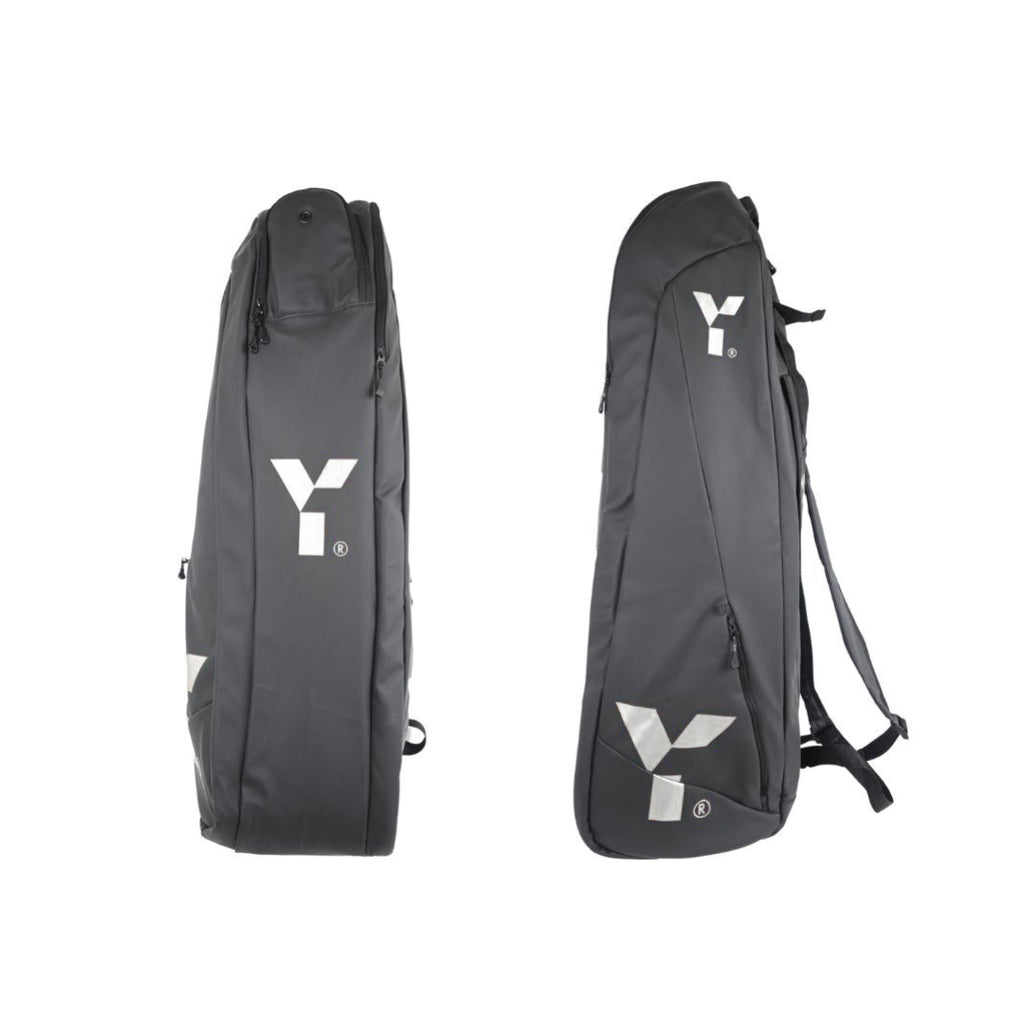
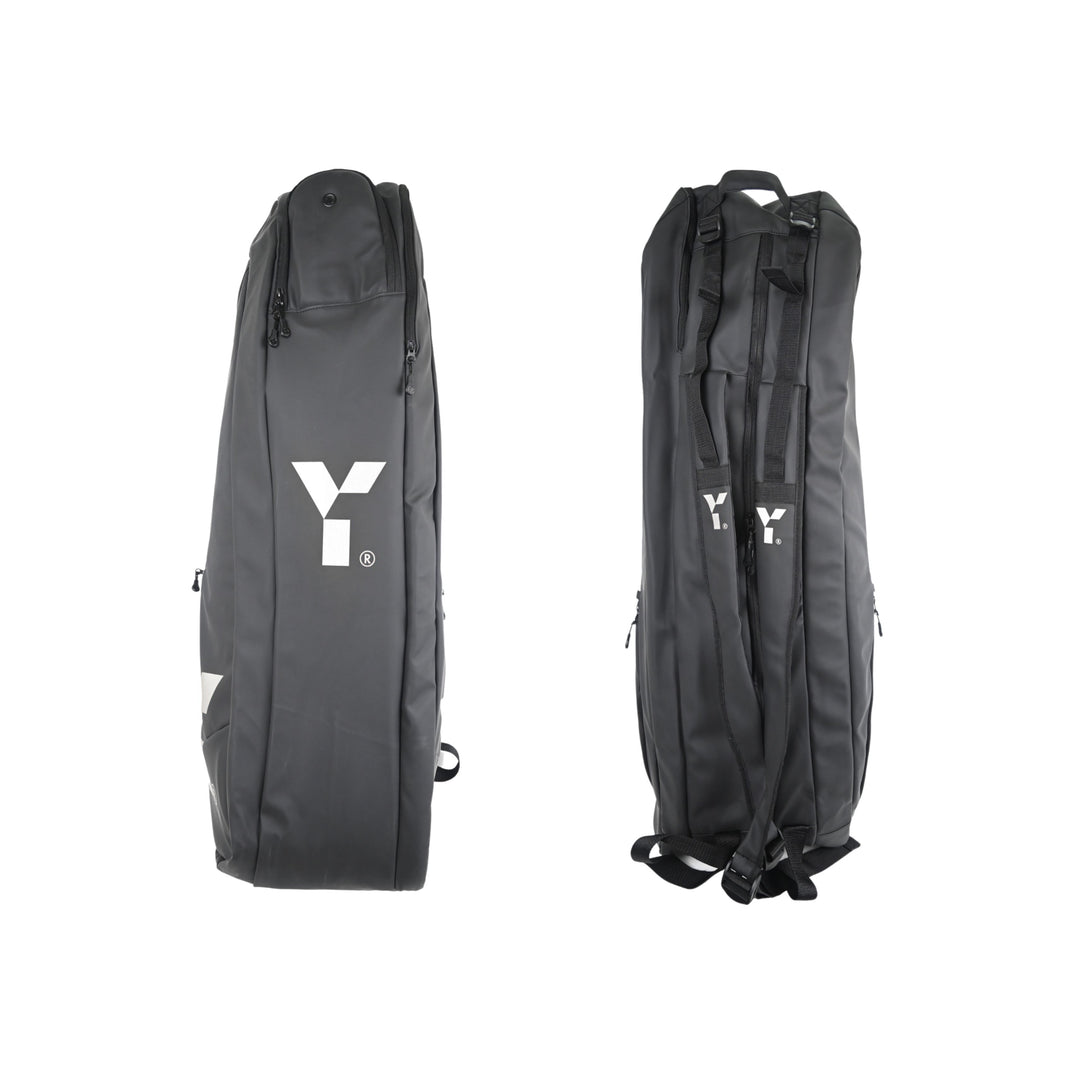
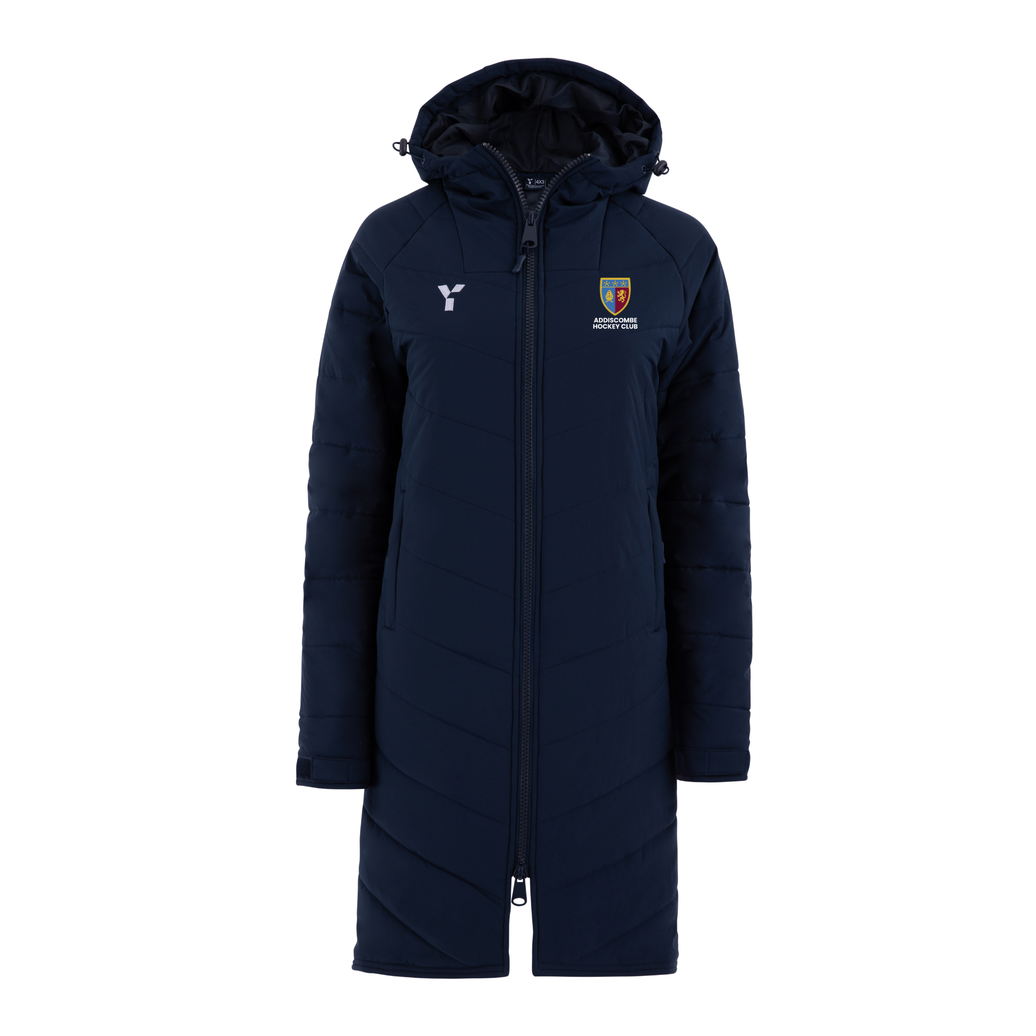
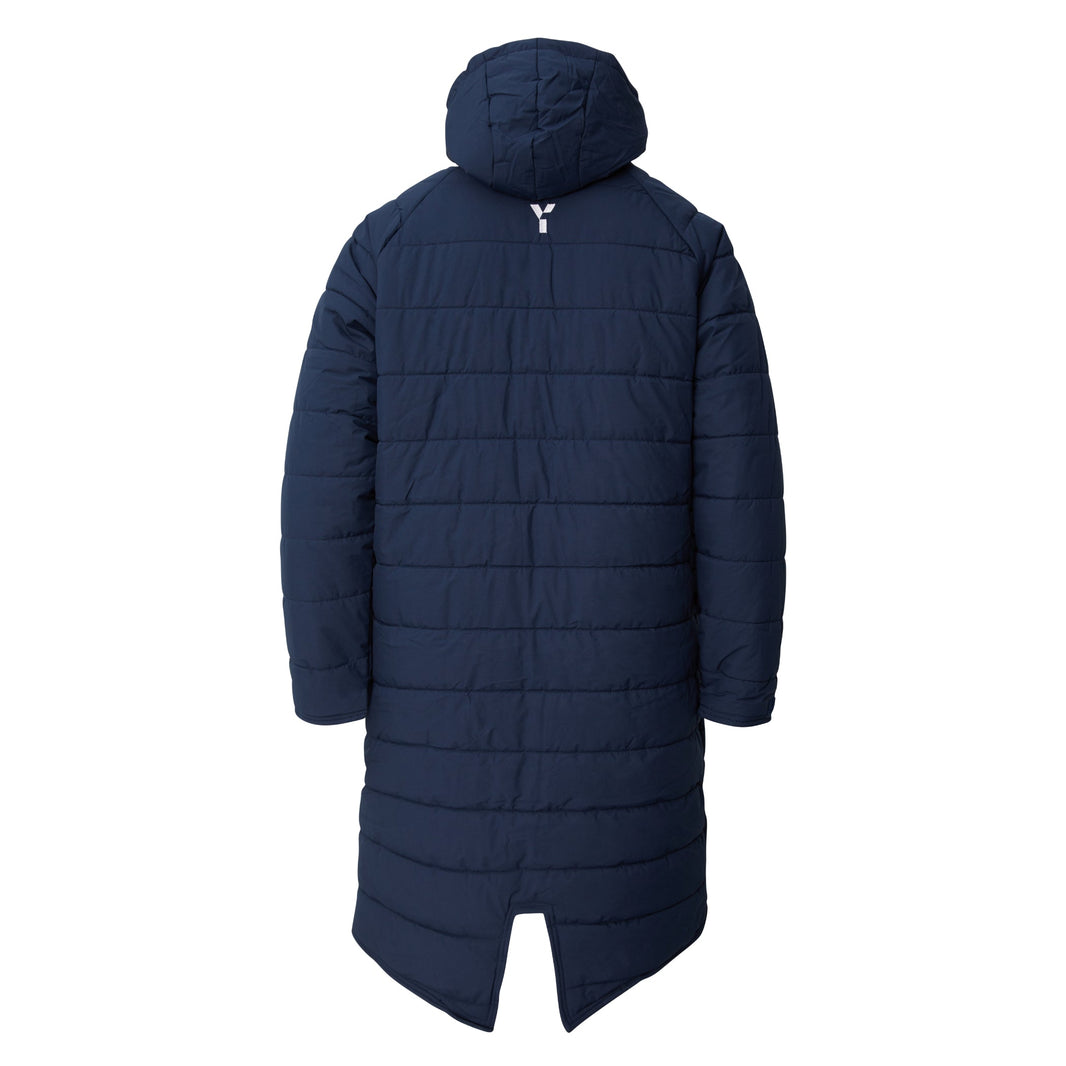
Alongside the prototypes, we’re running a limited-edition sale on our clothing, on court and off court, including a few new pieces we can’t wait to show you
It goes live at the same time as the rackets: our Instagram community gets in first at 2pm on 19 November, and the public sale opens at 4pm. In the meantime, browse our apparel.
FAQs
What is the Y1 Black Friday prototype range?
Every November, we release early-stage versions of new rackets to our community at a reduced price. Buyers get a four-month head start and a limited-edition colourway, and their feedback shapes the final product.
How long have you been doing Black Friday prototypes?
Since 2017, when we started it in hockey. We now do it in padel too.
What are this year’s prototypes?
Project_MX, a classic hybrid for players who adapt; Project_RX, a stiff, head-heavy racket for attacking players; and Project_LX, a premium round racket for players who win with control.
When do they launch?
Thursday 19 November 2026. Instagram community members get early access at 2pm, and the public launch is at 4pm.
How much do the prototypes cost?
£100 each, or £85 for Instagram community members during early access.
How many are being made?
Just 100 of each. When they’re sold out, they’re sold out.
Do I have to give feedback?
Yes. Every buyer fills in a short feedback form. That’s how we decide which prototype joins the Y1 range.
Is this the same as a Black Friday discount?
No. Instead of discounting existing products, we give our community early access to new ones and ask them to help develop them.
Next, on 9 November: Part 1, the story behind Project_MX.
Source for all data: Y1 Racket Lab, over 40,000 respondents, April–October 2026.
